Top 5 Games with the Weakest Anti-Cheat Systems
Not every game takes anti-cheat seriously. From GTA Onlines peer-to-peer chaos to Tarkovs RMT-driven epidemic, here are the five games where cheaters have the easiest time.

0x3nn
Author
Every competitive game needs a solid anti-cheat system. Without one, lobbies turn into a nightmare where legit players stand no chance against people flying across the map or landing impossible headshots. But not every developer takes this seriously.
Some games still rely on outdated detection methods, barely functional server-side checks, or systems so slow that cheaters run wild for months before anything happens. Whether its laziness, budget issues, or just bad priorities, these five games have consistently failed to keep their competitive environments clean.
Lets break down the worst offenders.
1. GTA V Online

GTA Online is the poster child for anti-cheat failure. Rockstar has made billions from this game, yet the anti-cheat situation is still embarrassing.
The core problem? Peer-to-peer networking. GTA Online doesnt use dedicated servers. Instead, players connect directly to each other, which means the game trusts the client way too much. Modders can inject scripts, spawn objects, teleport players, crash sessions, and even manipulate other players money. The infamous "money drops" from random modders have been a thing for years.
Rockstars response has been painfully slow. Their anti-cheat mostly relies on player reports and occasional ban waves that barely make a dent. New mod menus pop up weekly, some of them completely free, and they work for months before detection.
Why its bad:
- Peer-to-peer architecture with no server authority
- Client-side validation is almost nonexistent
- Mod menus are cheap, widely available, and rarely detected
- Ban waves happen too infrequently to matter
- Modders can directly affect other players (crashing, teleporting, money manipulation)
Even after over a decade, Rockstar hasnt fixed the fundamental architecture that makes all of this possible.
2. Rust
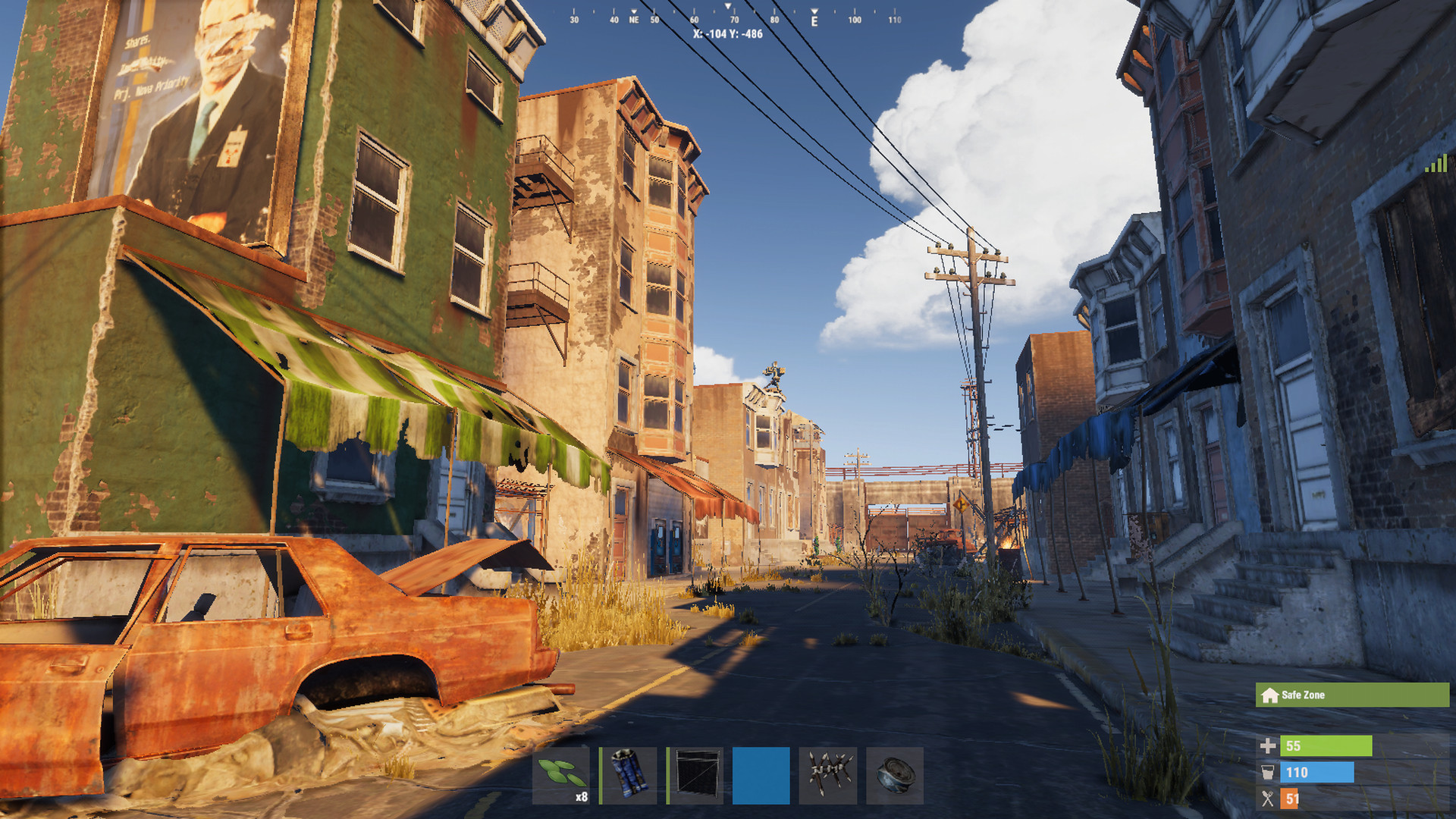
Rust uses Easy Anti-Cheat (EAC), which sounds fine on paper. In practice? Its one of the most cheater-infested survival games out there.
The problem isnt just the anti-cheat itself. Rusts gameplay loop makes cheating incredibly rewarding. Hundreds of hours of progress can be wiped by a single aimbotter raiding your base. And because the game has no matchmaking or skill-based lobbying, new and experienced players share the same servers.
EAC in Rust catches the obvious stuff like basic injection, but anything sophisticated slips through. Private cheats with HWID spoofers can run for weeks or even months without detection. Recoil scripts are everywhere, and distinguishing them from legitimate spray control is nearly impossible for the system.
Why its bad:
- EAC detection is slow and reactive, not proactive
- Private cheats survive for extended periods
- Recoil scripts are almost undetectable at the software level
- No kill-cam or replay system makes manual review difficult
- Community servers rely on admins, but official servers have zero oversight
- HWID bans are easily bypassed with spoofers
Facepunch has improved things over the years, but the cheating problem in Rust remains one of the worst in any survival game.
3. PUBG (PlayerUnknowns Battlegrounds)

PUBG was the game that kickstarted the battle royale craze, but it also became infamous for its cheating epidemic. At its peak, the game was losing players faster than it could ban them.
PUBG uses a combination of BattlEye and its own internal systems. On paper, BattlEye is a decent kernel-level anti-cheat. In reality, PUBGs implementation has been inconsistent at best. The game suffered massively from aimbots, wallhacks, speed hacks, and even flying car exploits in its early years.
Things have improved since then, but the damage was done. The game still struggles with radar hacks (which intercept network packets to show enemy positions) because these run on separate devices and are almost impossible to detect from the game client.
Why its bad:
- Radar hacks exploit the games network architecture and remain undetectable
- Early years had virtually no functional anti-cheat
- Region-hopping cheaters made certain servers unplayable
- BattlEye implementation doesnt catch sophisticated private cheats
- The games reputation for cheating drove away a huge chunk of the playerbase
- Ban waves lag behind cheat development by weeks or months
PUBG Corp has invested more resources into anti-cheat recently, but the games early failures set a standard for how not to handle competitive integrity.
4. DayZ
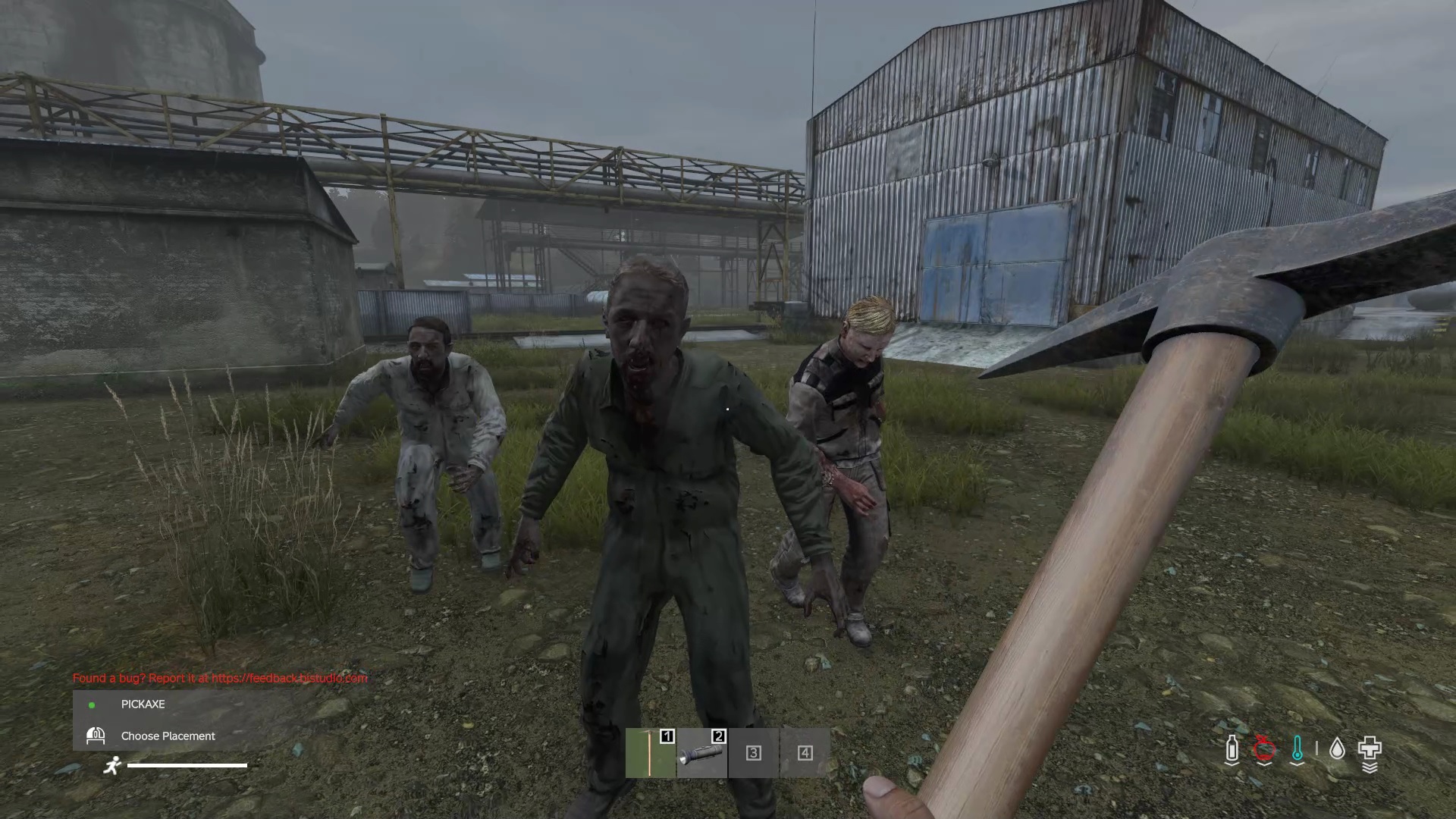
DayZ has been in some form of development since 2013, and its anti-cheat has never been a strong point. The game uses BattlEye, similar to PUBG, but the implementation here feels even more bare-bones.
The survival nature of DayZ means that cheating has devastating consequences. Losing gear you spent 10 hours collecting to an ESP user who knew exactly where you were hiding is the kind of experience that makes people uninstall. And it happens constantly.
Wall hacks and ESP are the most common issues, but DayZ also deals with duplication exploits, speed hacks, and teleportation. The modded server scene helps somewhat since server admins can install additional anti-cheat tools, but official servers are essentially unmoderated.
Why its bad:
- BattlEye implementation is minimal and slow to update
- ESP and wallhacks are the most common and hardest to detect
- No server-side movement validation allows speed and teleport hacks
- Item duplication exploits have existed for years
- Official servers have no active moderation
- Small dev team means anti-cheat updates are infrequent
Bohemia Interactive has always struggled with the technical side of DayZ, and anti-cheat is just one more area where the game falls short.
5. Escape from Tarkov
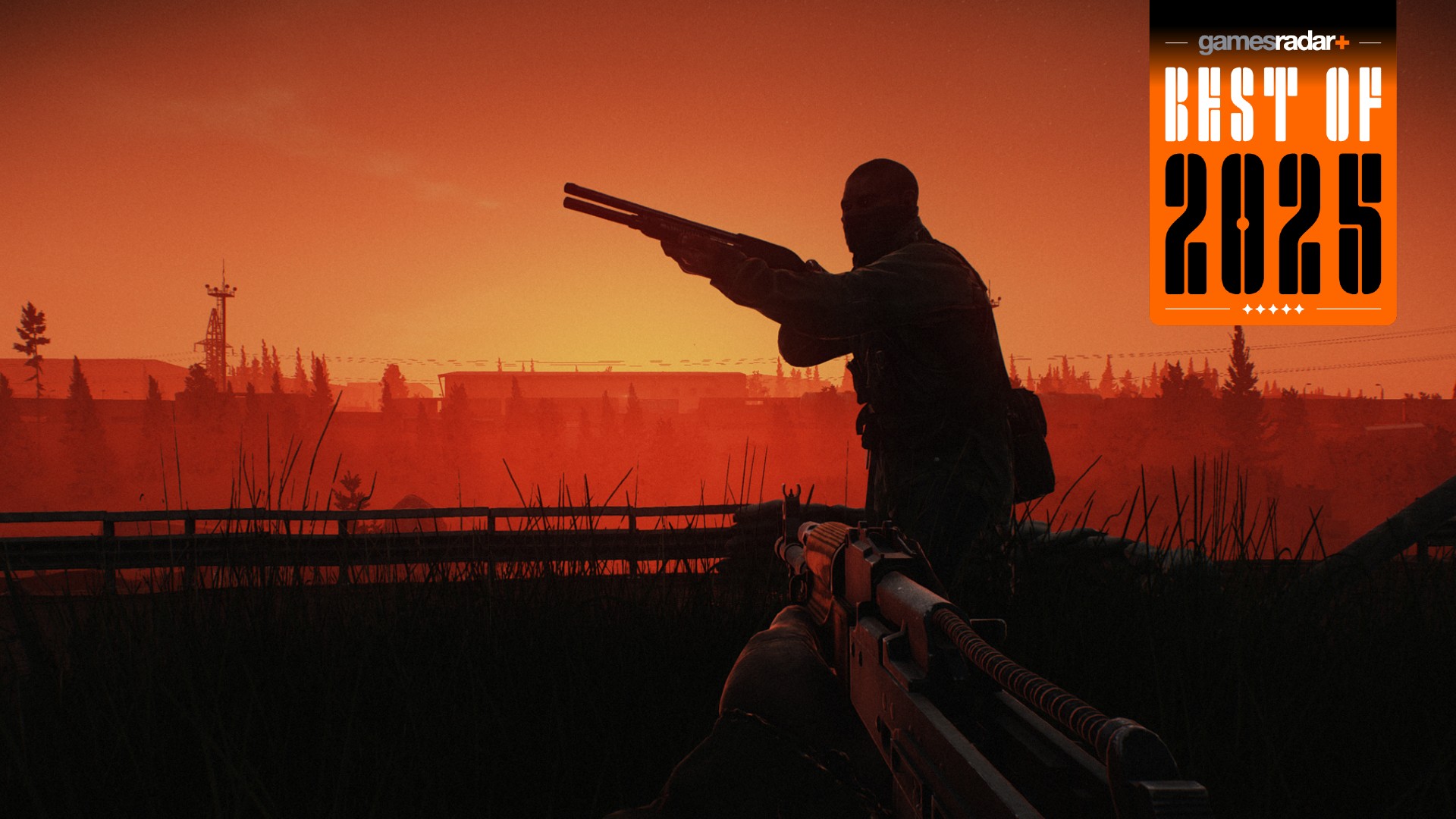
Tarkov might be the most frustrating entry on this list because the stakes are so high. Every raid can cost you millions in gear, and losing it to a cheater feels worse than in any other game.
Battlestate Games uses BattlEye combined with their own internal detection. But Tarkovs real-money trading economy (through the Flea Market and third-party RMT sites) creates a massive financial incentive to cheat. People literally make money by using cheats to farm loot and sell it.
The most common cheats in Tarkov include radar (running on a second PC, intercepting packets), loot ESP that shows the exact contents of every container on the map, and aimbots. Radar hacks are particularly devastating because they give cheaters perfect information without any detectable software on the game client itself.
Why its bad:
- Financial incentive (RMT) drives a constant stream of new cheaters
- Radar hacks run externally and are nearly impossible to detect client-side
- Loot ESP undermines the entire gameplay loop
- BattlEye bans are slow, and cheaters buy new accounts from third-party sellers
- The games high-stakes nature makes each encounter with a cheater devastating
- Server desync and netcode issues make it harder to distinguish cheats from bugs
BSG has made efforts with features like Fog of War (server-side loot hiding) and more aggressive detection, but the RMT economy ensures that cheat development remains highly profitable and ongoing.
The Common Thread
Looking at these five games, a few patterns emerge:
- Client trust: Games that trust the client too much (GTA, DayZ) get exploited the hardest
- Financial incentive: When cheating can generate real money (Tarkov), the problem becomes exponentially worse
- Reactive detection: Most of these games rely on detecting known cheats rather than preventing cheating at an architectural level
- Network architecture: Peer-to-peer or poorly secured client-server communication enables entire categories of undetectable cheats
The best anti-cheat systems combine kernel-level detection, server-side validation, encrypted networking, and rapid response times. Most of these games are missing at least two of those components.
Final Thoughts
Anti-cheat isnt just a technical problem. Its a design philosophy. Games that bake security into their architecture from day one (like Valorant with Vanguard) have far fewer issues than games that bolt it on years later.
If youre playing any of these games competitively, just know what youre getting into. The developers are aware of the problems, some are trying harder than others, but none of them have truly solved it yet.
The gaming industry still has a long way to go when it comes to keeping things fair. Until then, these five games remain the most frustrating examples of what happens when anti-cheat takes a back seat.